<!DOCTYPE html>
What Santa Clarita Homeowners Should Know Before Hiring an Insulation Contractor
What Santa Clarita Homeowners Should Know Before Hiring an Insulation Contractor
Attic insulation Santa Clarita projects succeed or fail on details that a quick quote cannot show. Santa Clarita sits in a high desert zone with wide daily swings. Summer highs often cross 100°F, while winter nights can drop fast. Homes in Valencia, Saugus, and Canyon Country see intense roof deck heat, long AC cycles, and dry winds that drive attic dust and rodent movement. An experienced contractor plans for these conditions. They measure real heat loss, account for ventilation limits, and set the R-value based on construction type, not on sales pressure.
Before any homeowner signs a contract, a structured checklist helps. The right contractor documents the current condition with photos, measures depth and coverage, runs a thermal camera across problem areas, and explains how air sealing couples with new insulation. The approach should integrate building science, California Title 24, and local realities such as canyon wildlife, aging roofs, and mixed framing styles in developments across 91350, 91351, 91354, 91355, 91380, 91381, 91384, and 91390.
A local-first lens: how Santa Clarita’s climate changes project design
Heat loads in Santa Clarita are not gentle. Roof surfaces bake under intense sun from May through October. Radiant energy transfers into attic cavities. Without a radiant barrier or adequate air sealing, the cooling system runs longer and loses ground by late afternoon. In winter, the same attic can vent warm air through gaps around can lights, top plates, and plumbing stacks. The result is uneven room temperatures and higher gas bills. A strong plan centers on three pillars. First, achieve a continuous thermal blanket with correct R-value. Second, manage attic airflow with baffles at soffit vents and a clear exhaust path. Third, block air leaks at all penetrations and around the attic hatch. This order protects the HVAC system and stabilizes comfort on both hot and cold days.
Neighborhoods set their own challenges. Older homes near Newhall and parts of Canyon Country show patchwork fiberglass batts, missing vapor barriers, and dated recessed light cans with no covers. Newer homes in Stevenson Ranch and Tesoro Del Valle often have better framing but still reveal chases and open returns that bypass the thermal envelope. Valencia and Saugus developments may have shallow eave lines where baffles and high R-value insulation need careful placement to avoid blocking ventilation. Each detail changes the spec and the labor plan, and each belongs in a written scope before work starts.
What a thorough attic assessment should include
A contractor with regional experience does not eyeball insulation depth and guess. A complete assessment covers intake and exhaust vent balance, duct leakage potential, air sealing opportunities, and the attic’s contamination status. A thermal imaging camera reveals hot and cold paths through ceiling planes, knee walls, and mechanical chases. If insulation removal is needed due to rodent activity or mold, an industrial insulation vacuum and a HEPA air scrubber control dust and bioaerosols during extraction. This matters for families with allergies or sensitive HVAC returns near the attic floor. The removal crew should show a plan for safe hose routing, attic access protection, and bagging contaminated material for disposal that follows local guidelines in Los Angeles County.
Ventilation is often the pivot point. Soffit baffles protect airflow and prevent insulation from slumping into eaves. Many Santa Clarita roofs show uneven baffle placement or missing channels over lower valleys. A precise installation maintains clear intake while preserving high R-value at the attic perimeter. Recessed light covers stop air leakage and reduce fire risk around old can lights. Air sealing closes gaps at top plates, plumbing penetrations, electrical boxes, and the attic hatch. Weatherstripping and an insulated attic hatch cover finish that work. These parts are small in cost and large in impact under a 100°F roof deck.
How to think about R-value for Santa Clarita homes
R-value targets are not one-size-fits-all. Most single-family homes in Santa Clarita benefit from R-38 to R-49 coverage. Many projects reach R-44 to R-60 when the roof design and budget allow. Deeper coverage helps where ceiling areas face western sun or where ductwork runs across the attic. Title 24 compliance frames the baseline, but smart design blends R-value with radiant control and air sealing. That mix often outperforms extra inches by itself. In hip roofs with tight eaves, raised-heel trusses are rare, so installers must preserve airflow with well-fitted baffles and consider high-density materials near the perimeter. In vaulted sections or dormers, spray foam or dense-pack cellulose can solve thin cavities without sacrificing performance.
Material choice affects both R-value per inch and long-term stability. Cellulose resists air movement inside the insulation body better than loose fiberglass and can lower convection in high-heat conditions. Fiberglass batts provide predictable thickness but can leave gaps around wiring and trusses unless cut and fitted with care. Rockwool batts add fire resistance and sound dampening. Recycled denim insulation suits interior walls and select ceiling areas where moisture risk is low. Spray foam achieves high R per inch and strong air sealing in complex assemblies. Each has a place, but the attic floor of a typical Santa Clarita home often points to blown-in cellulose or blown fiberglass with air sealing as the most cost-effective path to comfort and lower bills.
Brands that matter and why they show up in local bids
Homeowners in Valencia and Saugus will often see Owens Corning Pink Fiberglas, Johns Manville, and Knauf Insulation on quotes. These lines anchor the market with consistent batts and loose-fill products. GreenFiber offers cellulose that performs well in blow-in applications and supports sound reduction under flight paths from regional air traffic and along the I-5 corridor. Rockwool enters bids where fire resistance or acoustic separation deserves priority. Icynene spray foam can solve vaulted or flat roof details with limited cavity depth. Fi-Foil radiant barriers help reflect attic heat when the roof orientation and low-shade lots expose the home to intense sun, which is common near Castaic or along open ridgelines by 91381 and 91384. The brand mix signals that the contractor has access to a full toolset and can match materials to design constraints rather than forcing a single product.
Ventilation, baffles, and radiant barriers under high desert sun
The attic in Santa Clarita works hard during summer. Without a radiant barrier, roof sheathing can radiate heat deep into the insulation layer. A foil-faced radiant barrier with tested emissivity numbers cuts that load. Installation quality decides how much it helps. In retrofits, stapled barriers install to rafters with a consistent air gap, not pressed flat against the sheathing. In new work, deck-applied barriers achieve even coverage. Either way, air sealing below the barrier remains essential.
Baffles create the intake path from soffit vents to the main body of the attic. They stop wind-washing in the insulation near eaves and keep loose-fill material from blocking vents. The best practice is to set baffles before blowing insulation and to extend them several bays in where wind can drive through. Contractors who skip this step leave a hot edge around the house that undermines the total R-value. Over the long term, that edge is where drywall cracks and uneven room temperatures start to show.
What symptoms say an attic is underperforming
High energy bills are common in a Santa Clarita summer, but the signal grows clear when the air conditioner runs late into the night while bedrooms stay warm. That pattern points to low R-value or a leaky attic floor. Uneven room temperatures between upstairs and downstairs point to the same cause. Dust accumulation in living spaces often rises when the attic is loose and unsealed, as negative pressure pulls attic air into the home. Rodent infestation becomes visible through droppings or shredded insulation near eaves and mechanical chases. Those attics need safe insulation removal, cleaning, and rodent-proofing before new material goes in. Mold growth appears under specific moisture conditions and is more likely near bath fans that vent into the attic by mistake. Ice dams are rare here but can show up during cold snaps in 91390 near higher elevations, especially when warm attic air hits a cold roof at eaves with inadequate airflow.
What contractors should show before work starts
Local homeowners deserve more than a price. A solid contractor in Santa Clarita provides a scope of work with line items. The scope describes air sealing targets, the insulation type and thickness, and the expected final R-value by zone. It lists baffle count, recessed light covers, attic hatch cover specs, and any vapor barrier strategy if needed at knee walls or crawl spaces. It confirms that vents will remain open and shows how bath fans and kitchen ducts will terminate. It includes rodent-proofing details near roof lines and gable ends where canyon wildlife tends to enter, especially along the edges of Castaic and near open space by William S. Hart Regional Park.
Quality contractors document equipment. For removal, they specify an industrial insulation vacuum and HEPA air scrubber. For installation, they list a cellulose blowing machine or fiberglass blowing machine, depending on material. They show that crew members carry protective gear and that containment protects hallways and registers. They state that they are a CSLB-licensed, bonded, and insured California contractor. They reference Title 24 compliance and, where applicable, participation as an Energy Star Partner. This level of transparency is common among firms that specialize in energy-efficient retrofitting across Los Angeles County and the Santa Clarita Valley.
Choosing materials for attic floors, knee walls, and special cases
Blow-in cellulose from GreenFiber offers a strong value in many Santa Clarita attic floors. It flows around wiring and truss webs, reduces air movement inside the layer, and improves acoustic comfort near busy corridors by College of the Canyons and Valencia Town Center. Blown fiberglass from Owens Corning, Johns Manville, or Knauf matches well where crews already plan air sealing and want a clean, light layer with stable R per inch. Rockwool batts serve knee walls and mechanical closets that need fire resistance, such as near older furnaces in Newhall. Icynene spray foam fits vaulted sections above small additions where ridge access is tight and ventilation is limited. Fi-Foil radiant barrier adds value on sun-exposed slopes near Canyon Country and Stevenson Ranch where afternoon solar load hits hardest.
Recycled denim insulation can line interior partitions for sound control but needs moisture-safe assemblies. Vapor barriers require care in this region. A full vapor barrier over the attic floor is rarely correct. However, an air barrier at the ceiling plane is always correct. The distinction matters. Air carries most moisture into assemblies, so sealing the air path around top plates, electrical penetrations, and bath fan housings provides the best control with minimal risk. Weatherstripping the attic hatch and adding an insulated attic hatch cover closes one of the largest single leaks in many homes across 91350, 91354, and 91355.
Rodent-proofing and decontamination that actually holds
Santa Clarita backs up to canyons and open terrain. Small rodents move along fence lines and enter through roof edges, utility penetrations, and gaps at gable vents. A project that ignores this risk sets the stage for contaminated insulation and odors. A contractor should seal entry points with appropriate materials and gauge screen mesh, secure gable vents, and install door sweeps at garage entries where pressure swings can pull pests into wall cavities. A rodent-proofing guarantee signals that the contractor will stand behind the work and return if activity resumes. After removal in a contaminated attic, a HEPA air scrubber should run during cleaning. All debris and vacuumed insulation must bag for correct disposal in Los Angeles County. Re-insulation follows only after surfaces are clean and dry.
How attic upgrades cut HVAC strain across the valley
Maximizing R-value without sealing air leaks forces the HVAC to fight unending infiltration. Proper air sealing lowers the sensible load. Ducts that run cooler, insulated attics reduce duct losses. The system cycles less, which matters during events when grid demand spikes near Six Flags Magic Mountain and across Valencia during peak afternoon hours. Lower run-time extends equipment life and reduces maintenance. In many Santa Clarita homes, a complete attic retrofit drops summer AC usage by noticeable margins. Numbers vary, but crews often see 10 to 30 percent reductions in cooling energy when they add high R-value insulation, fully seal the attic floor, and correct ventilation. The range depends on house size, duct integrity, and west-facing exposure.
Permits, Title 24, and proof that the work meets California standards
Title 24 sets performance expectations and reporting for insulation upgrades as part of larger remodels or when HVAC and envelope changes reach defined thresholds. In simple retrofit scenarios, the contractor still should document R-values, product data, and installation method. A work order should match labels and coverage charts. For blown applications, depth markers and coverage maps show compliance. Homeowners in 91381 and 91384 planning broader projects in Stevenson Ranch or Castaic should ask how the attic scope interacts with window or HVAC changes, since the combined path can push a project into formal compliance steps. A contractor who explains this in plain terms reduces risk and cost later.
Neighboring service areas and cross-regional lessons
Experiences in Antelope Valley, Palmdale, and Lancaster help crews predict high-wind effects on soffit vent intake and dust migration. Jobs in the San Fernando Valley inform duct loss control and radiant barrier sizing for hotter roof decks with little shade. Simi Valley work underscores how traffic noise can drive material choice near busy corridors, where Rockwool and cellulose add acoustic value. Santa Clarita benefits from that broader knowledge base while staying focused on the valley’s own topography and microclimates. Homes near Vasquez Rocks or open ridges face sun and wind in different patterns than homes near William S. Hart Regional Park or the CalArts campus. That is why a walk-through always matters more than an out-of-area template.
Pricing structures that align with results
Attic insulation Santa Clarita bids usually break into core tasks. Insulation removal by industrial vacuum, cleaning and decontamination where needed, air sealing by linear foot or by target area, baffle installation by count, recessed light covers by unit, and new insulation by type and installed R-value. Some firms price radiant barrier installation per square foot of roof deck. Others place it as a line item with site-specific notes. Homeowners should expect an itemized price for rodent-proofing with a warranty window. The quote should call out brand names such as Owens Corning, Johns Manville, Knauf Insulation, Rockwool, GreenFiber, Icynene, and Fi-Foil. That clarity avoids surprises and holds the installer accountable for material performance and code alignment.
Insulation types at a glance: what fits which need
Context decides the winner more than lab numbers. In older Newhall rafters where space runs tight, spray foam can solve what batts cannot. In larger Valencia attics with clean access and stable framing, blow-in cellulose or fiberglass creates a uniform blanket fast. In Saugus knee walls near bonus rooms, Rockwool holds shape and resists heat better at odd angles. In Stevenson Ranch homes with afternoon sun pressure, a Fi-Foil radiant barrier paired with blown insulation breaks the cycle of late-day overheating. Across Canyon Country and Castaic, where wind can push through soffits, careful baffle installation prevents wind-washing and preserves R-value at the edges. A trustworthy contractor will walk through these choices with photos from local jobs and a simple plan that links each material to a specific problem on that property.
How to read a contractor’s credentials and protect the project
Credentials tell part of the story. A CSLB license shows legal standing to do the work in California. Bonded and insured status protects the homeowner. An Energy Star Partner badge and Title 24 competence point to a track record with energy retrofits. Local references tie the claims to real addresses across 91350, 91355, and 91381. Those references matter more when they name neighborhoods like Valencia, Saugus, and Stevenson Ranch and note conditions such as rodent-proofing or radiant barrier installation. Reviews across Los Angeles County add support, but a site walk and a written plan always carry more weight than a star count.
A simple pre-hire checklist for Santa Clarita homeowners
- Request a Free Attic Inspection with photos, depth measurements, and thermal camera captures.
- Verify CSLB license, insurance, and experience with Title 24 in Los Angeles County.
- Ask for a written scope listing air sealing, baffles, recessed light covers, and final R-value.
- Confirm material brands and equipment: GreenFiber, Owens Corning, Knauf, Rockwool, Icynene, Fi-Foil; industrial vacuum and HEPA air scrubber.
- Get a rodent-proofing plan with a clear warranty, and a post-job verification of ventilation and coverage.
Common pitfalls that raise costs later
Rushing to cover old batts with new loose-fill traps dust and odors and creates uneven R-value. Skipping air sealing wastes money on extra inches that still leak. Blocking soffit vents with new insulation removes the intake path and cooks the attic. Forgetting recessed light covers can lead to air leakage and fire risk. Neglecting rodent entry points near roof lines invites a repeat infestation. These mistakes are easy to prevent with a step-by-step scope and on-site supervision while the work progresses.
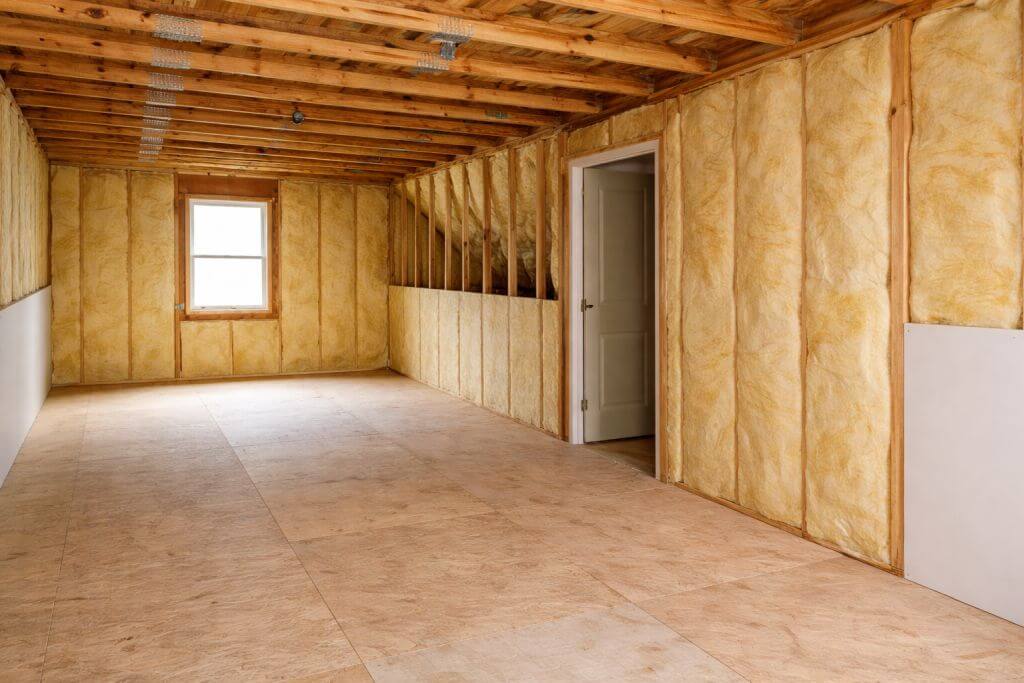
Where local crews spend the extra five minutes that change outcomes
Smart crews in Santa Clarita spend time at the eaves. They set baffles, extend them where wind can push, and stabilize the edges before any blowing begins. They check bath fan ducts and run them to the exterior with new clamps and mastic where needed. They fit weatherstripping and insulation at the attic hatch, then mark coverage depth with rulers across the attic for photos. They scan the finished work with a thermal imaging camera to confirm even coverage over top plates and tricky corners near vaulted transitions. This routine keeps rooms in Valencia, Canyon Country, and Stevenson Ranch stable across afternoon swings and night cool-downs.
Local signals that validate real presence
Residents often spot service trucks near Six Flags Magic Mountain during hot spells as crews support families whose HVAC systems struggle after long park days. Jobs cluster around Valencia Town Center during summer as homeowners notice late-day heat holding in upstairs bedrooms. Crews also work near CalArts and William S. Hart Regional Park on properties with mature trees that hide roofline gaps where rodents enter. Along the 91350 and 91355 corridors, installations tend to emphasize radiant barrier and high R-value because of sun exposure on open lots. In 91381 near Stevenson Ranch, afternoon winds drive the need for careful baffle layout. Each of these signals helps search engines and residents confirm that attic insulation Santa Clarita projects are active, local, and grounded in real needs.
Answers to questions that come up on nearly every job
What R-value should a typical Santa Clarita attic target? Most homes land between R-38 and R-49. Some homes reach R-60 depending on budget, framing, and solar load. Is a radiant barrier worth it? On sun-exposed roofs with minimal shade, yes, especially when paired with air sealing and proper intake at soffits. Does cellulose settle? All blown materials change slightly over time. Proper coverage charts and depth markers maintain the rated R-value. How long does insulation removal and re-installation take? Many single-family attics complete in one to two days, longer if decontamination is needed. Will this change HVAC sizing? It can reduce load. Some families find that a right-sized replacement next cycle uses a smaller capacity unit, but that decision should wait for verified results after the envelope upgrade.
Why local choice and Title 24 alignment set the project up for years of comfort
Santa Clarita’s climate demands a system approach. Insulation alone cannot solve heat spikes if the attic breathes through the ceiling plane. Air sealing without baffles starves intake and builds heat. Radiant barriers without depth do little in winter. The blend of air sealing, baffles, a radiant solution where sun exposure is severe, and a verified R-value yields strong results. Title 24 standards give a floor. Real comfort comes when an experienced, CSLB-licensed crew follows the building science and installs the plan with care. That combination protects families in Valencia, Saugus, Newhall, Canyon Country, Castaic, Stevenson Ranch, and Tesoro Del Valle and supports grid stability across Los Angeles County during extreme weather.
Red flags during estimates
- No attic photos, no thermal images, and no itemized scope.
- Promises of comfort gains without air sealing or baffles.
- Quotes that skip rodent-proofing in known entry zones near canyons.
- Refusal to name brands or list equipment for removal and cleaning.
- Vague references to code with no mention of Title 24 or coverage charts.
What this means for families across the 91350 and 91355 zip codes
Homes near schools, parks, and shopping clusters in these zip codes face high internal gains in late afternoons. Children return home. Cooking starts. Roof decks still radiate heat. The attic assembly either shields the living space or amplifies the problem. A proper retrofit damps the spikes. Bedrooms cool faster. The AC cycles shorter. Dust falls off. Rodent odors vanish after a correct removal and seal-up. A simple scan with a thermal camera on a hot day proves it. Ceilings read cooler. Temperature spreads across rooms tighten. That is the goal line for a Santa Clarita attic retrofit, and it is reachable with the right plan.
A quick word on crawl space insulation and its impact upstairs
While the attic carries most of the load in summer, crawl spaces under older Newhall or Canyon Country homes leak cool air in winter and pull moisture into the structure. Crawl space insulation, vapor control at the soil where appropriate, and air sealing around plumbing and vents stabilize the whole envelope. Balanced upgrades reduce drafts on the first floor and lighten the heating system’s work. The result is a quieter, more even home that feels less stressed by outdoor swings. Contractors who handle both attic and crawl space scopes coordinate details to prevent condensation or pressure issues across the shell.
Why many Santa Clarita homeowners choose Pure Eco Inc.
Pure Eco Inc. focuses on energy-efficient retrofitting for homes across Santa Clarita and Los Angeles County. The team provides free attic inspections, documents findings with photos and thermal imaging, and delivers clear, itemized scopes. Installers are CSLB licensed, bonded, and insured. Projects meet Title 24 targets and use eco-friendly materials from trusted brands such as Owens Corning, Johns Manville, Knauf Insulation, Rockwool, GreenFiber, Icynene, and Fi-Foil. Rodent-proofing includes a written guarantee, with decontamination performed under HEPA filtration. The company’s trucks are often seen near Six Flags Magic Mountain, Valencia Town Center, College of the Canyons, and along jobs that range from Valencia to Castaic and Stevenson Ranch. That local presence pairs with hundreds of successful projects that show real gains on energy bills and comfort.
Clear next steps for homeowners ready to act
Homeowners across Santa Clarita, including Valencia, Saugus, Newhall, Canyon Country, Castaic, Stevenson Ranch, and Tesoro Del Valle, can request a free attic audit. The inspection checks insulation depth, ventilation balance, and air leaks. The team verifies rodent activity, captures thermal images, and builds a report with a scope that names materials and brands. The plan may include insulation removal with an industrial vacuum, HEPA air scrubbing, air sealing, baffles, recessed light covers, a radiant barrier, and new blow-in cellulose or fiberglass to a target R-value. Every step aligns with California Title 24 guidance and local best practices for the high desert climate.
Conversion signals and how to engage
Residents who want a stable, efficient home can move forward without guesswork. Pure Eco Inc. offers a Free Attic Inspection, a written scope with photos and thermal images, and a firm quote. The company is a CSLB Licensed, Bonded, and Insured contractor and an Energy Star Partner, committed to Title 24 compliance in California. Materials include Owens Corning, Johns Manville, Knauf Insulation, Rockwool, GreenFiber cellulose, Icynene spray foam, and Fi-Foil radiant barriers. Rodent-proofing carries a clear Guarantee. Service spans the 91350, 91351, 91354, 91355, 91380, 91381, 91384, and 91390 zip codes.
Santa Clarita homeowners can schedule an inspection today to verify needs and receive a detailed plan for attic insulation Santa Clarita projects that hold up to real heat, real wind, and real life across the valley.
attic insulation Santa Clarita
Pure Eco Inc. provides professional attic insulation and energy-efficient home upgrades in Los Angeles, CA. For more than 20 years, homeowners throughout Los Angeles County have trusted our team to improve comfort, save energy, and restore healthy attic spaces. We specialize in attic insulation installation, insulation replacement, spray foam upgrades, and full attic cleanup for properties of all sizes. Our family-run company focuses on clean workmanship, honest service, and long-lasting results that help create a safer and more efficient living environment. Schedule an attic insulation inspection today or request a free estimate to see how much your home can benefit.
Pure Eco Inc.
422 S Western Ave #103
Los Angeles,
CA
90020,
USA
Phone: (213) 256-0365
Website:
https://www.pureecoinc.com
Attic Insulation in Los Angeles
Social Media: Facebook | X | Instagram | Yelp
Map: View on Google Maps